
Scams involving fake celebrity endorsements, cryptocurrency payments and QR codes are on the rise. Understanding how these fraud schemes work, and how to verify information before you act, can help you protect your money and personal information.
Key Points
- Learn about common fraud types and evolving scams to understand how they work.
- Confirm information is coming from a reputable source before acting. Urgent or threatening language is a red flag.
- Always be cautious about clicking on unsolicited links, scanning QR codes in public places, and sharing personal or financial information.
- Be skeptical of offers that promise easy money or require you to send funds to “make more.”
An online investment opportunity appears, promoted by a well-known celebrity or social media influencer. Could it really help people make money, or is it a scam? In many cases, it’s likely designed to steal personal information.
Many people have heard about more common fraud types such as phishing or smishing, but criminals are always evolving tactics. Fraudsters now are using ads on major social media platforms, often featuring stolen or fake celebrity images, to draw people into bogus investment opportunities. It’s one of several schemes gaining attention this summer as new scams continue to emerge.
The Federal Trade Commission has reported a sharp rise in fraud losses by individuals – and those are just the reported amounts. Consumers reported losing about $16 billion in fraud in 2025, the highest amount to date and about 25% higher than in 2024.
Along with celebrity investment scams, cryptocurrency scams and QR code scams (“quishing”) are drawing attention because they can make fraudulent requests appear more legitimate.
Cryptocurrency scams may target people, particularly seniors, by pressuring them to send money through crypto ATMs. Once transferred, the money can be nearly impossible to recover. QR code scams may involve fake codes placed over legitimate ones or phishing schemes designed to steal personal information or money.
How can you protect yourself from scams?
Mark Jayasatria, Group Manager for Fraud Education at TD, said one key step is for everyone to talk more openly about fraud.
“Talking about frauds and scams and getting it out in the open, like it’s an everyday thing, is probably one of the biggest hurdles,” he said. “A lot of people don’t report fraud and scams, and they don’t talk about it as often as they maybe should.”
Talking openly about being scammed can also help reduce feelings of shame and make it easier for others to recognize warning signs. By sharing their experiences, people may help prevent friends, family members and others from falling victim to similar schemes.
Because friends and family may be targeted by the same scam, he said, it’s important to share information, educate yourself and others, and stay skeptical.
Sharing information is a key part of TD SAFE, a bank-sponsored program that offers in-person and virtual seminars to help people understand fraud risks and take steps to protect themselves before scams happen. At live events, attendees often share stories with one another, reinforcing the lessons and helping others learn how to spot and prevent fraud.
Why should you verify the source of information?
When trying to identify a scam, “one of the first things you should be looking at is: Where is the information coming from?” Mark said. “You might be getting an online ad, but where was the actual information coming from? Make sure it’s a reliable source.”
One way to confirm the source is by contacting the organization directly through a trusted phone number or website. If the ad is from a business unfamiliar to you, take the extra step to conduct an internet search and confirm the business is legitimate and in good standing.
Kevin Wicks, Group Manager for Fraud Education at TD, added that scammers can replicate social media pages from legitimate companies and make small changes to the name or branding.
“I think people have to be 100% skeptical of anything on social media,” Kevin said.
The same caution applies to cryptocurrency scams, which can take many forms, Kevin said. In one version, scammers spoof a bank’s phone number and call to claim there is a problem with the person’s account, such as an unauthorized charge. They may ask for sensitive personal information, including a Social Security number or one-time passcode, and then say someone from the bank will come to the person’s home to pick up their bank card. Once a criminal has a debit card, they can use a crypto ATM to withdraw funds.
“They are exchanging U.S. dollars for crypto, and putting it in a crypto wallet, where it’s untraceable,” Kevin said. “Once the money is gone, it’s gone for good.”
Mark agreed that cryptocurrency has become a hard-to-recover payment method for scammers. “People used to be scammed through money wire transfer services, because it’s almost like sending cash,” he said. “Now cryptocurrency is like that. Once it’s been sent, it’s almost unrecoverable.”
How can you protect yourself from QR code scams?
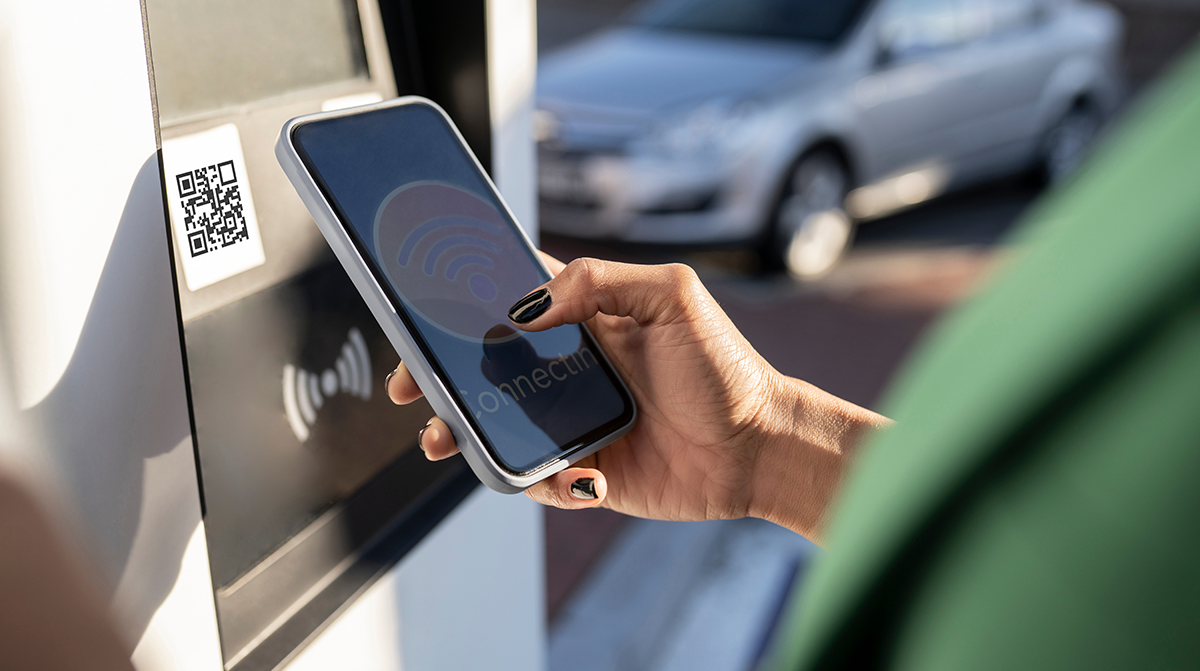
QR code fraud works in a similar way by making something fake look legitimate. Fraudsters may place fake codes in public areas, including parking lots at large events, sometimes by taping a fraudulent code over the legitimate one. The fake code then opens a look-alike payment page or a phishing site designed to capture sensitive information.
Kevin suggested checking that the website you land on is legitimate before entering payment details or personal information.
“Make sure everything lines up and that you’re not downloading any malicious software or providing out of the ordinary personal information such as a Social Security number or passwords when you scan the QR code,” he said.
5 tips to help you protect yourself from fraud
- Don’t trust caller ID, emails, texts, or advertisements if something seems off. Scammers can spoof phone numbers, email addresses, webpages and brand logos. Contact the organization directly through a trusted phone number or website.
- Never share sensitive information or codes. A legitimate company will not ask for one-time passcodes, online banking passwords, or full debit or credit card details unless you initiated the contact. A financial institution will never contact a customer and ask for a password or other login information.
- Watch for payment red flags, especially if you’re asked to pay in a non-traditional way, such as with gift cards, cryptocurrency, wire transfers, person-to-person or e-transfers to unknown recipients.
- Keep devices and accounts secure by enabling multi-factor authentication, using strong and unique passwords, and keeping devices and apps updated.
- Pause and verify before acting. Legitimate organizations won’t pressure you to make immediate decisions or take urgent action.
These habits can help, but fraud prevention requires ongoing awareness as scammers continue to create new schemes.
“New scams emerge every day,” Kevin said. “The more we talk about the risks and the steps people can take, the better prepared they can be.”
Learn more about fraud prevention on the TD Security Center.
FAQ for Fraud Prevention
What types of fraud are growing?
Celebrity investment , cryptocurrency and QR code (quishing) scams are among the schemes gaining attention. Fraudsters may use fake celebrity images, pressure people to send money through crypto ATMs or post fake QR codes that lead to phishing or payment sites.
How can I tell if an investment opportunity is a scam?
Be skeptical of any advertisment promising easy money, especially on social media. Scammers often use stolen or fake celebrity images to make bogus opportunities look legitimate. Before acting, confirm the information is coming from a reputable source.
Why is cryptocurrency fraud difficult to recover from?
Cryptocurrency payments can be difficult, and sometimes nearly impossible, to recover once converted from real currency into crypto. Criminals may pressure people to use crypto ATMs or move money into a crypto wallet, where it is hard to trace.
How do QR code scams work?
Fraudsters may place fake QR codes over real ones, such as in public parking lots, to send people to look-alike payment pages designed to steal sensitive information. Before entering payment details or personal information, check that the QR code and the website it opens are expected and legitimate.
What should I do before sharing personal or financial information?
Pause and verify the request. Contact the organization directly through a trusted phone number or website and know banks will never contact you to ask for your account information. Never share one-time passcodes or online banking passwords.