
TD 2026 Housing for Everyone grant program supports 40 nonprofits helping renters avoid eviction and stay housed, including in New York and South Florida.
Housing affordability is putting more renters at risk of eviction across the U.S., especially in high-cost markets where even a short-term setback can lead to housing instability. It is also bringing urgency to developers, nonprofit organizations, financial institutions and policymakers, as highlighted in TD’s recent housing summit.
The TD 2026 Housing for Everyone grant program is supporting 40 nonprofits that help families stay housed through prevention-focused services like counseling, mediation and financial support. But housing affordability is not a new issue. Twenty years ago, the TD Charitable Foundation created Housing for Everyone to strengthen communities by supporting solutions that preserve, rehabilitate and create safe and stable rental and owned housing. Since that time, TD has awarded more than $73 million to nonprofits working on solutions to these issues.
For the 20th annual Housing for Everyone grant program, TD awarded grants of $250,000 each to 40 nonprofits that are building or expanding rental eviction prevention programs along the East Coast. And as median rent in the U.S. climbed to $1,487 in 2024 according to the American Community Survey by the Census Bureau, more tenants are seeking relief.
The need looks different from market to market, but renters in both South Florida and Manhattan face rising housing costs and limited room to absorb financial setbacks — making early intervention critical.
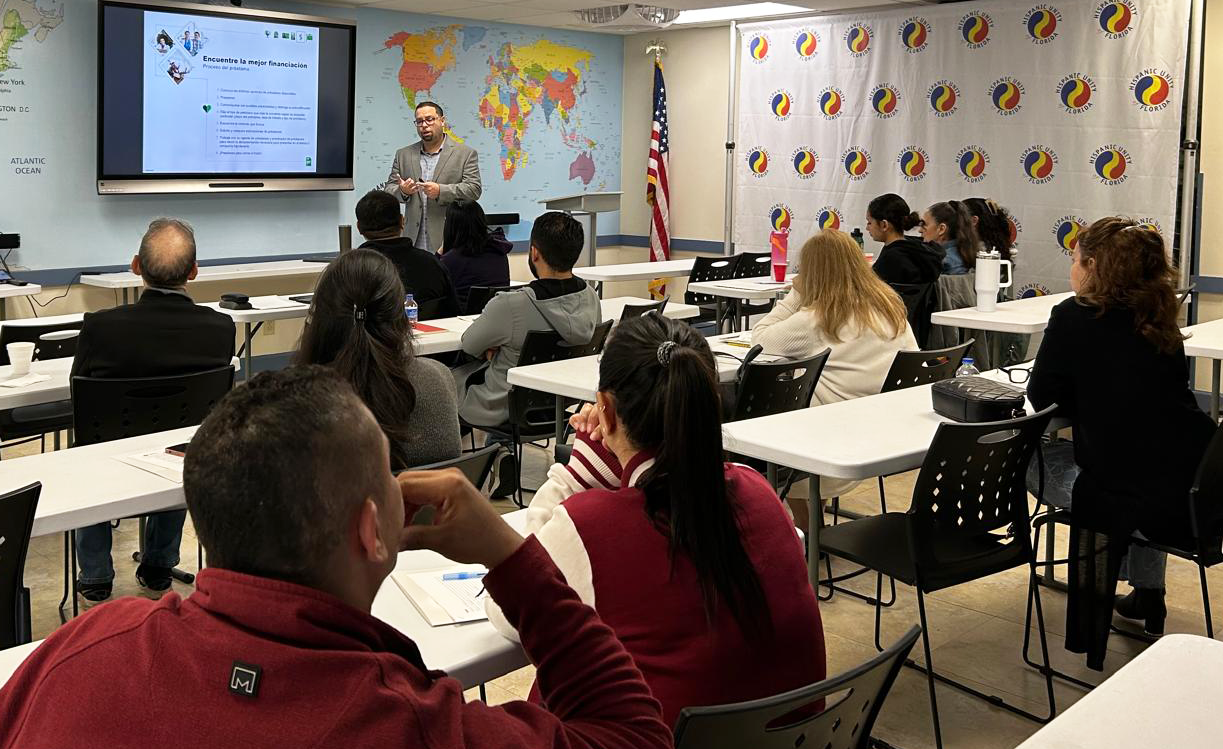
Rising rents in South Florida are putting families at risk of eviction — how one nonprofit is helping
Hispanic Unity of Florida in Hollywood, Florida, was founded in 1982 to support Hispanics in Broward County with finding employment, learning English and other services. Today, the nonprofit serves about 33,000 clients annually from all backgrounds.
In South Florida, rising housing costs have left many working families spending a significant share of their income on rent, increasing the risk of missed payments and eviction.
The organization created a Center for Working Families to provide financial education and coaching for local families. It also became a HUD-certified counseling program in 2016 to help people become homeowners.
"We understand for many people becoming a homeowner isn't feasible, so we also have to provide rental stability," said Felipe Pinzon, President and CEO of Hispanic Unity of Florida. "The last thing we want is for people not to pay their rent and to become evicted."
Many of Hispanic Unity's clients are paying around 50% of their monthly income toward rent, according to Felipe. Some months, it is an impossible choice between paying rent or covering childcare costs or putting food on the table. Those tough decisions put more households at risk of being past due on rent and facing eviction.
Carmen de la Cruz, who lives with her two children, ages 22 and 16, faced this situation before receiving support from Hispanic Unity of Florida and its Center for Working Families.
"The counseling and support have been the most valuable tool in my life over the past three years," Carmen said. "My housing situation has remained the same — I am still renting — but my financial situation has improved significantly. I was able to pay off all my debts, which has made a big, positive difference for my family."
Felipe noted this proactive approach is key to how Hispanic Unity works with families. "We don't want to address this after it happens; we want to focus on prevention. Hispanic Unity works with families on a plan to increase household income and decrease debt," he said. "The Housing for Everyone grant will expand our capacity to provide these services to 200 more clients — we currently serve about 50. This funding will be life-changing for many more families."
The housing issue is a progression of the relationship between the bank and Hispanic Unity. TD has supported Hispanic Unity's financial education and entrepreneurship programs at the CWF since 2008. While the Center for Working Families does assist with income growth and finding employment, Felipe said many clients want to start their own business — and TD colleagues have offered mentorship and, in some cases, access to loans or lines of credit to help fund these entrepreneurial dreams.
"It's not just a financial relationship. Together, we've been able to help thousands of people," Felipe said. "We're very grateful for the support of TD and their commitment to helping all people."
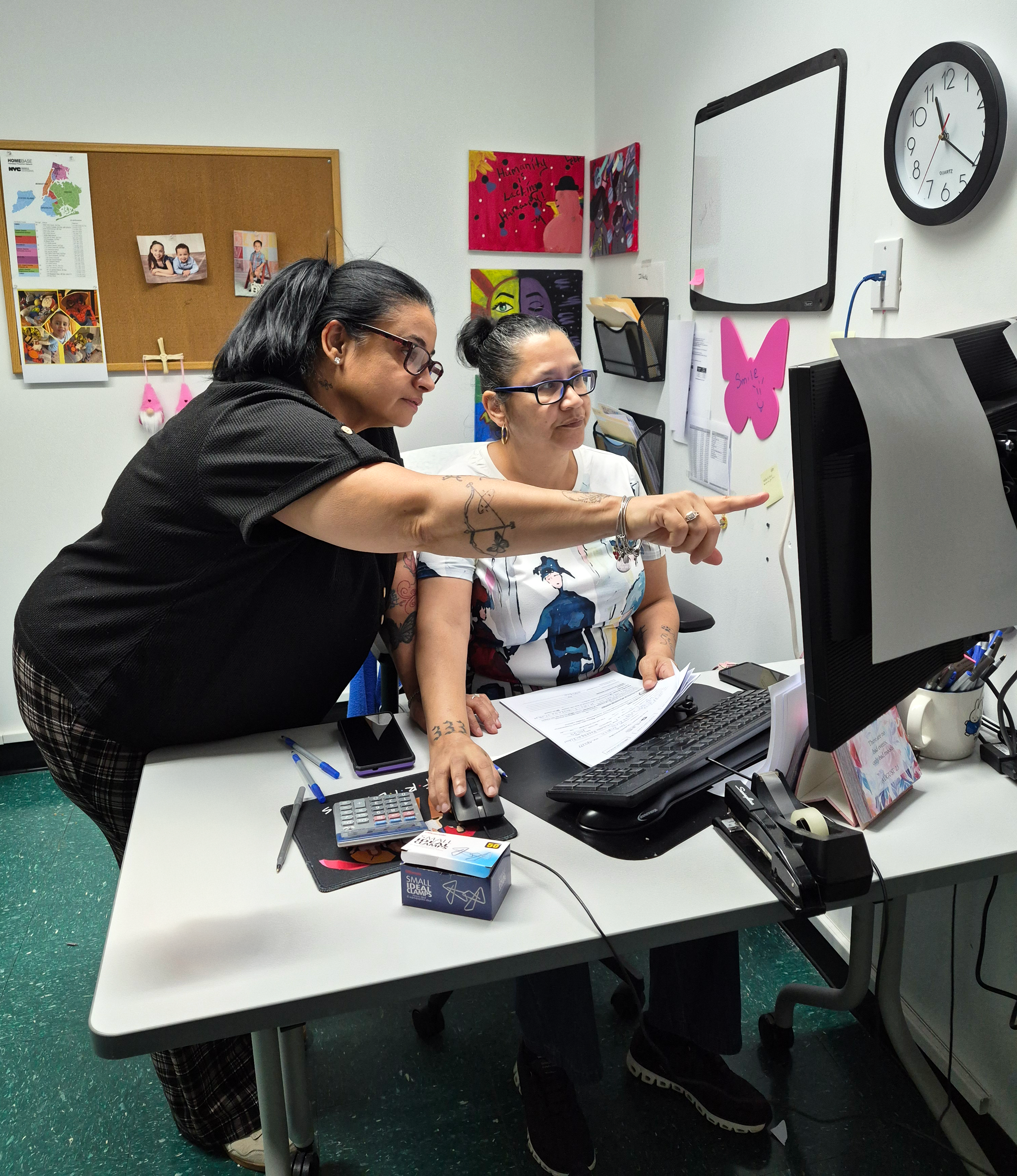
How a Manhattan nonprofit helps renters stay housed in a tight market
In Manhattan, where median rent hit $4,128 in May 2026 and vacancy is below 2%, even a short-term financial setback can put renters at risk of losing their housing.
"New York is facing an extreme housing affordability crisis and we're seeing more and more New Yorkers at risk of losing their homes. But we're fortunate to have funders like TD who understand this crisis and are partnering with organizations like ours to help people remain in their homes," said Perry Perlmutter, CEO of Services for the UnderServed (S:US).
For 48 years, S:US has offered comprehensive services to those in need with a goal to eradicate homelessness in New York City and Long Island. This work has resulted in opening 1,000 new housing units and serving 2,200 Manhattan households with eviction prevention in 2025. As the City of New York's Homebase provider in upper Manhattan since 2004, S:US helps clients with landlord mediation, legal assistance, employment assistance, job training and more.
S:US was a Housing for Everyone grantee in 2020, when New Yorkers were grappling with the economic and social effects of COVID-19. That year's grant allowed them to first expand their Homebase services.
"We've found early intervention works, especially with families, to reduce evictions," Perry said. "The Housing for Everyone grant this year will help reduce wait times for program enrollment by half, which is critical for families on the brink of eviction. The grant will also allow us to serve an additional 300 New Yorkers by adding one intake specialist and two case managers."
Perry said that TD has been the primary bank of S:US for eight years. "It's not just finances. We see the bank's commitment to confronting the housing crisis in a meaningful way. Our relationship has been collaborative and supportive because TD really understands the importance of community."
High rents are an issue in many communities from Maine to Florida. By supporting nonprofits focused on early intervention, TD’s Housing for Everyone program is helping more families stay in their homes and apartments and avoid the long-term financial and personal impacts of eviction.
FAQs
What is TD’s Housing for Everyone grant program?
Housing for Everyone is an annual TD Charitable Foundation program that supports nonprofits working to preserve, rehabilitate and create safe, stable housing.
How much funding did TD award through the 2026 Housing for Everyone program?
TD awarded $10 million — $250,000 each — to 40 nonprofits expanding eviction-prevention programs along the East Coast.
How do Housing for Everyone grantees help prevent eviction?
Services include financial counseling, emergency assistance, landlord mediation, legal support, employment assistance and early intervention for renters at risk.
What impact will the 2026 grants have in South Florida and New York?
Hispanic Unity of Florida expects to serve 200 additional clients, while Services for the UnderServed plans to reduce enrollment wait times by half and help 300 more New Yorkers.
We hope you found this helpful. This article is for informational purposes only and is based on information available as of July 2026 and is subject to change. This content is not intended to be used or acted upon with respect to any client's specific circumstances. For specific advice about your unique circumstances, consider talking with your qualified professionals.
No part of this publication may be reproduced in any form, or referred to in any other publication, without express written permission. All rights reserved.
©2026, TD Bank, N.A and/or its affiliates. All rights reserved.
The TD logo and other TD trademarks are owned by The Toronto-Dominion Bank or its affiliates and are used under license.
TD Bank, N.A., Member FDIC