
Sabbaticals are becoming increasingly common across industries as more workers step away from their jobs for extended breaks. Burnout, shifting priorities and a growing focus on work-life balance are helping push the practice into the mainstream.
Still, while some companies let employees apply accrued paid time off to cover part or all of a sabbatical, formal paid programs remain rare: just 6% of U.S. companies offered them last year, according to the Society for Human Resources Management. And the choice to take a career break, whether for weeks or months, brings with it significant financial impact.
“A successful sabbatical just doesn’t happen,” said Ashley Weeks, Wealth Strategist at TD Wealth. “It requires clarity, structure and, most importantly, preparation.”
Beyond simply recharging, some employees use sabbaticals to pursue certifications, learn skills, volunteer or plan new career paths. Others focus on travel or personal well-being. And, in some cases, these experiences can actually enhance long-term career prospects.
Regardless, Ashley urges employees to start planning early: set a timeline, define the purpose of the break and identify concrete goals to help avoid financial setbacks. The key challenges to consider include the loss of steady income, maintaining health insurance coverage, continuing retirement contributions and accurately estimating the cost of time away. Overlooking even one of these factors can create unexpected financial strain during or after the break.
Budgeting is critical
It's critical to build a dedicated budget for the sabbatical period, according to Ashley. This involves estimating fixed expenses such as rent or mortgage payments, utilities and insurance, as well as variable costs such as travel, food and discretionary spending. Creating a clear monthly spending plan can help determine the total amount of savings required.
To build savings for a career break, employees should consider setting up automatic contributions ahead of time into a savings account specifically earmarked for their sabbatical. Reducing discretionary spending in the months leading up to the break can also accelerate progress toward savings goals.
Ashley recommends increasing the final savings target by at least 20% “in case there is an overage or the break goes on longer than expected.”
Ensuring continuity in saving for retirement is another consideration. Because contributions typically stop during unpaid leave, employees should consider maximizing those contributions and employer matches before leaving for the sabbatical.
Navigating health insurance
"Health coverage is often the most overlooked and expensive piece of the puzzle," Ashley said.
If employer-sponsored coverage won’t extend through the break, employees may need to look at options such as tapping a health savings account or continuing their coverage through COBRA, if eligible, according to Ashley.
COBRA typically requires paying the full premium without an employer contribution, which can sharply raise the cost. Joining a spouse’s plan may be another route, though availability varies, he added. For those traveling abroad, short-term travel insurance may also be necessary.
Evaluating tax considerations
Employees also should not overlook tax implications, Ashley said. Even when a sabbatical or fellowship includes a stipend, the IRS often treats those payments as taxable income. Planning in advance can help avoid surprises when tax season arrives.
“Financial planning is as much an art as it is a science,” Ashley said, noting that TD Wealth builds financial plans around different variables. “It’s nice to see data points that show you’re not jeopardizing your lifestyle or retirement.”
Returning to work
Preparing for a successful return to work is another key aspect of sabbatical planning. Employees should consider negotiating re-entry terms with employers before leaving if they are planning to go back to their employer. Maintaining professional networks and keeping skills up to date during the break are key if you'll be looking for new employment when your sabbatical is over.
Ultimately, a sabbatical can be a transformative experience, offering both personal renewal and professional growth, but thoughtful financial preparation is essential.
"By planning ahead, building sufficient savings, and considering both short- and long-term financial needs, employees can enjoy peace of mind during their extended time off," Ashley said.
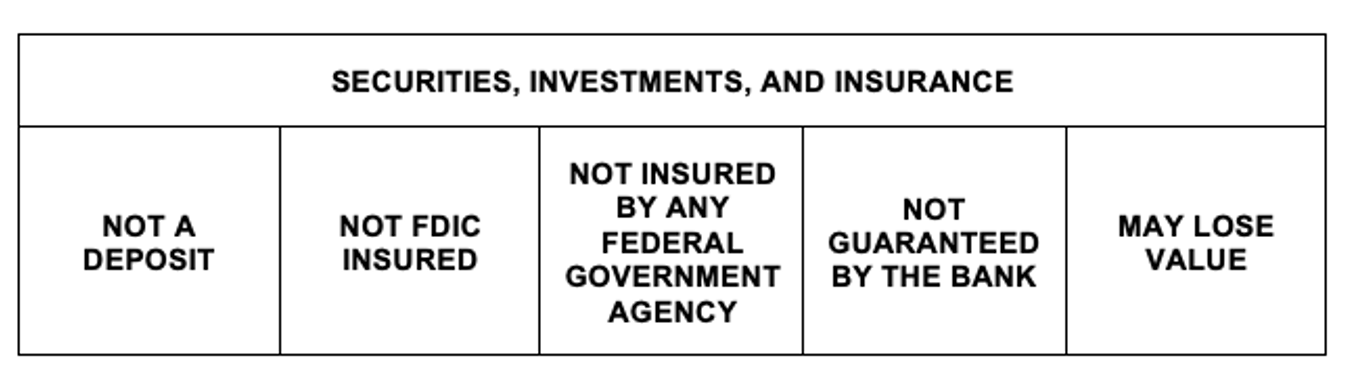
TD Wealth® is a business of TD Bank N.A. (TD Bank). Banking, investment management and fiduciary services are available through TD Bank. Securities and investment advisory services are available through TD Private Client Wealth LLC (TDPCW), a US Securities and Exchange Commission registered investment adviser and broker-dealer and member of FINRA/SIPC. Insurance products and services are offered through TD Wealth Management Services Inc., ("TDWMSI"), a licensed insurance provider. TD Bank, TDPCW and TDWMSI are affiliated. TD Bank and its affiliates do not provide legal, tax or accounting advice.
This article is for general informational purposes only. It is not intended to provide specific financial, investment, tax, legal, accounting, or other advice and should not be acted or relied upon without the advice of a professional advisor. A professional advisor will recommend action based on your personal circumstances and the most recent information available. This is not tax advice. Please contact your tax advisor for full details.